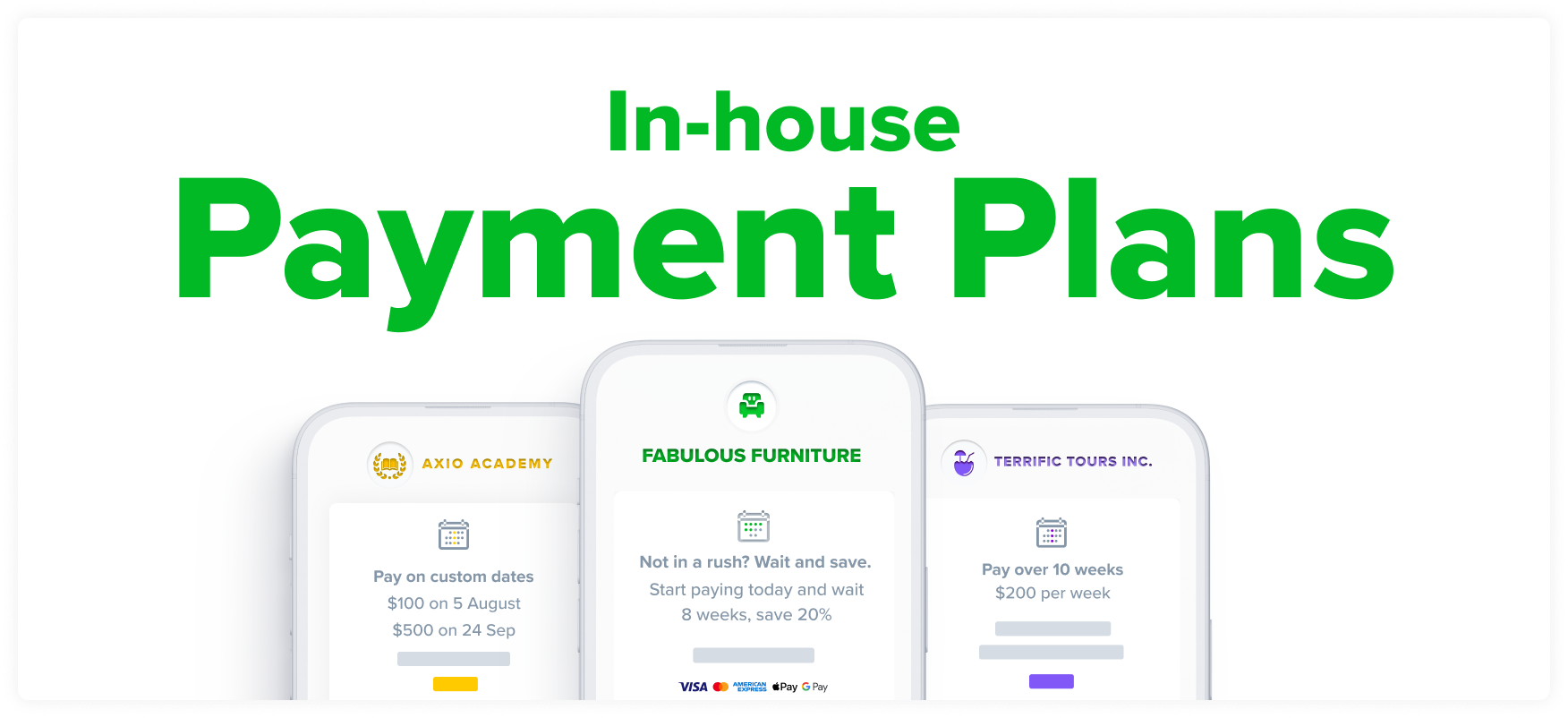
If you’ve ever wanted to let customers pay over time without handing the relationship – and a chunk of your revenue – to a third-party lender, you’re looking for in-house payment plans. This guide explains what in-house payment plan software actually does, how it’s different from BNPL and external financing, and what to look for before you choose a tool.
Try Paythen free to offer your own payment plans in minutes, or keep reading. Here’s what we cover:
What is in-house payment plan software?
In-house vs BNPL vs financing
Why businesses offer payment plans in-house
How in-house payment plan software works
What to look for when choosing a tool
Common use cases
Is an in-house payment plan a loan?
How to get started
What is in-house payment plan software?
In-house payment plan software lets a business offer its own pay-over-time options directly to customers, on terms the business sets, and collect each installment itself. “In-house” is the important part: there’s no outside lender approving customers, funding the purchase, or owning the payment relationship. You decide the deposit, the number of installments, the schedule, and the rules. The software handles the rest – charging cards on schedule, sending reminders, retrying failed payments, and giving customers a way to manage their own plan.
That’s a different model from the two things it’s most often confused with – buy now pay later, and financing – which we’ll break down next.
In-house vs BNPL vs financing
BNPL and financing both outsource the risk and the customer relationship. In-house payment plan software keeps both with you – and keeps more of the revenue. Here’s how the three compare:
| In-house payment plans (eg: Paythen) | Buy now pay later (BNPL) | Financing / lending | |
|---|---|---|---|
| Who approves the customer | You do – no credit application or approval step. | The BNPL provider approves or declines each customer. | A credit check and loan origination process. |
| Who owns the relationship | You do – reminders and receipts come from you, in your branding. | The BNPL provider – they own the customer and the app. | The lender or your lending platform. |
| Fees | A small percentage per transaction on top of standard card processing. | Typically 6%+ merchant fee per transaction. | Interest, origination and servicing costs. |
| Is it a loan? | Usually no – interest-free installments, no lending. | Often yes – credit is extended to the customer. | Yes – regulated lending. |
| Setup | Minutes – connect Stripe and create a plan. | Application and approval to become a merchant. | Complex – built for regulated lenders. |
In short: BNPL and financing take a bigger cut and take over the customer and valuable relationships you’ve built. In-house payment plan software lets you offer the same flexibility while staying firmly in control.
Why businesses offer payment plans in-house
The appeal comes down to margin, control, and customer experience.
You keep more of every sale
A BNPL fee of 6%-10% on a $2,000 course is $100–$120 gone on every transaction. Running the same plan in-house on top of standard card processing costs a lot less. It’s also not available to many businesses across many industries.
You set the terms
You decide who gets a plan, how large a deposit to require, how many installments, and over what period. Nobody declines your customer at checkout because of an external credit-approval model you can’t see and don’t control.
You own the customer relationship
Reminders, receipts, and follow-ups come from you (through Paythen), with your logo and branding – not from a lender’s app. That matters for repeat business and trust.
You reduce abandonment on higher-priced items
Splitting a large total into manageable installments removes the single biggest barrier to purchase for services, courses, events, travel, and high-value goods.
How in-house payment plan software works
Most tools follow the same basic flow, though the details differ:
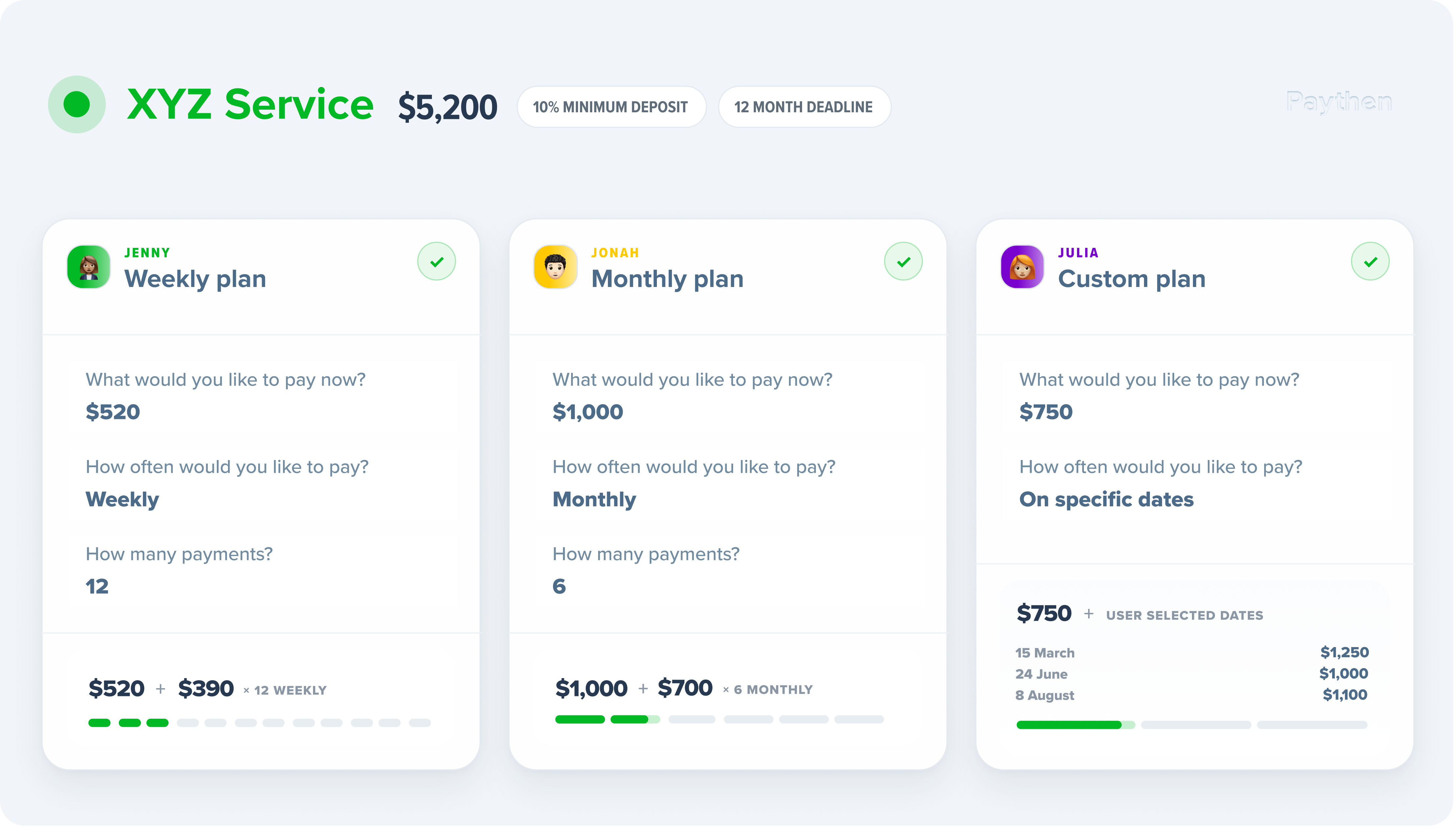
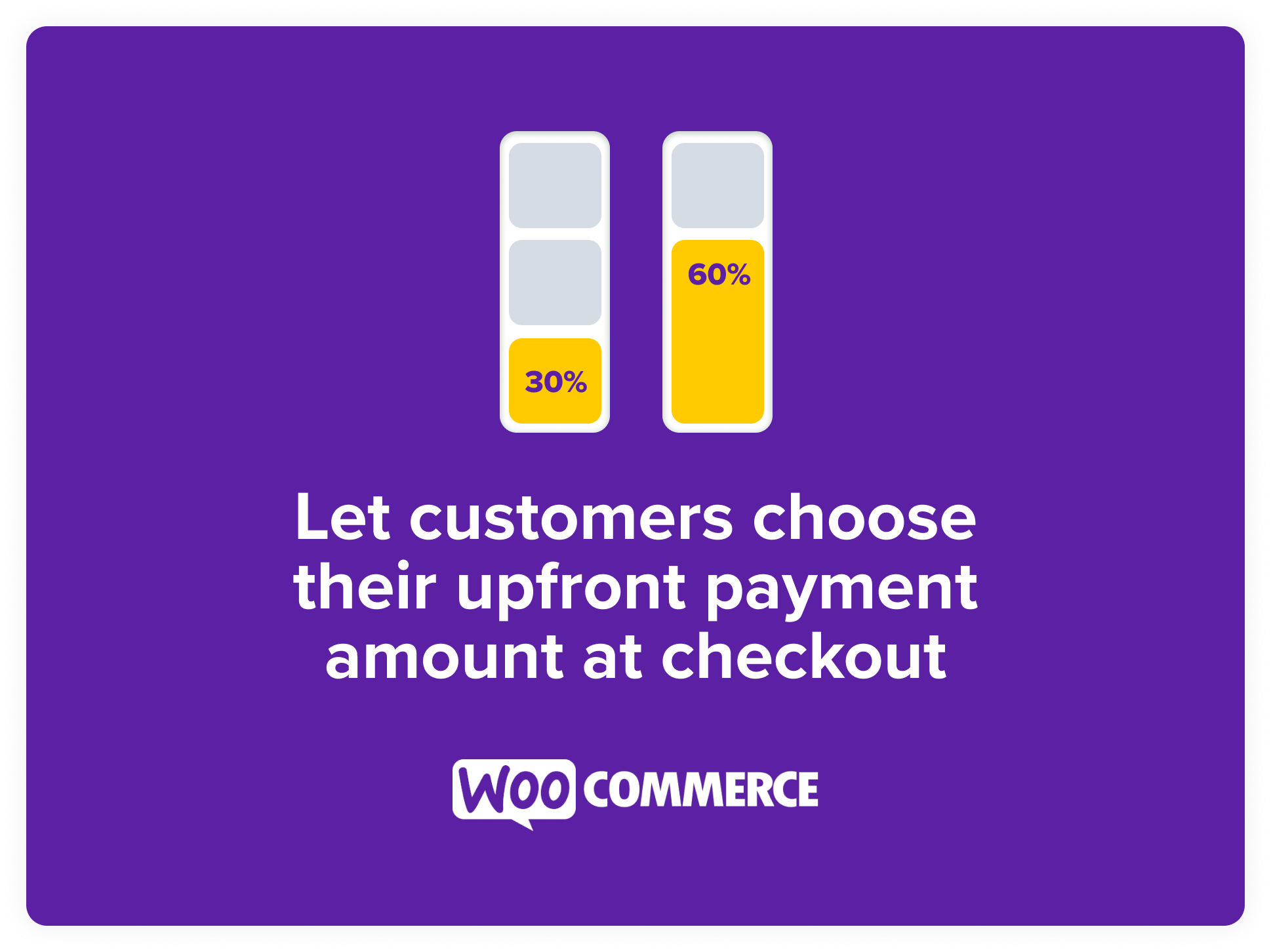
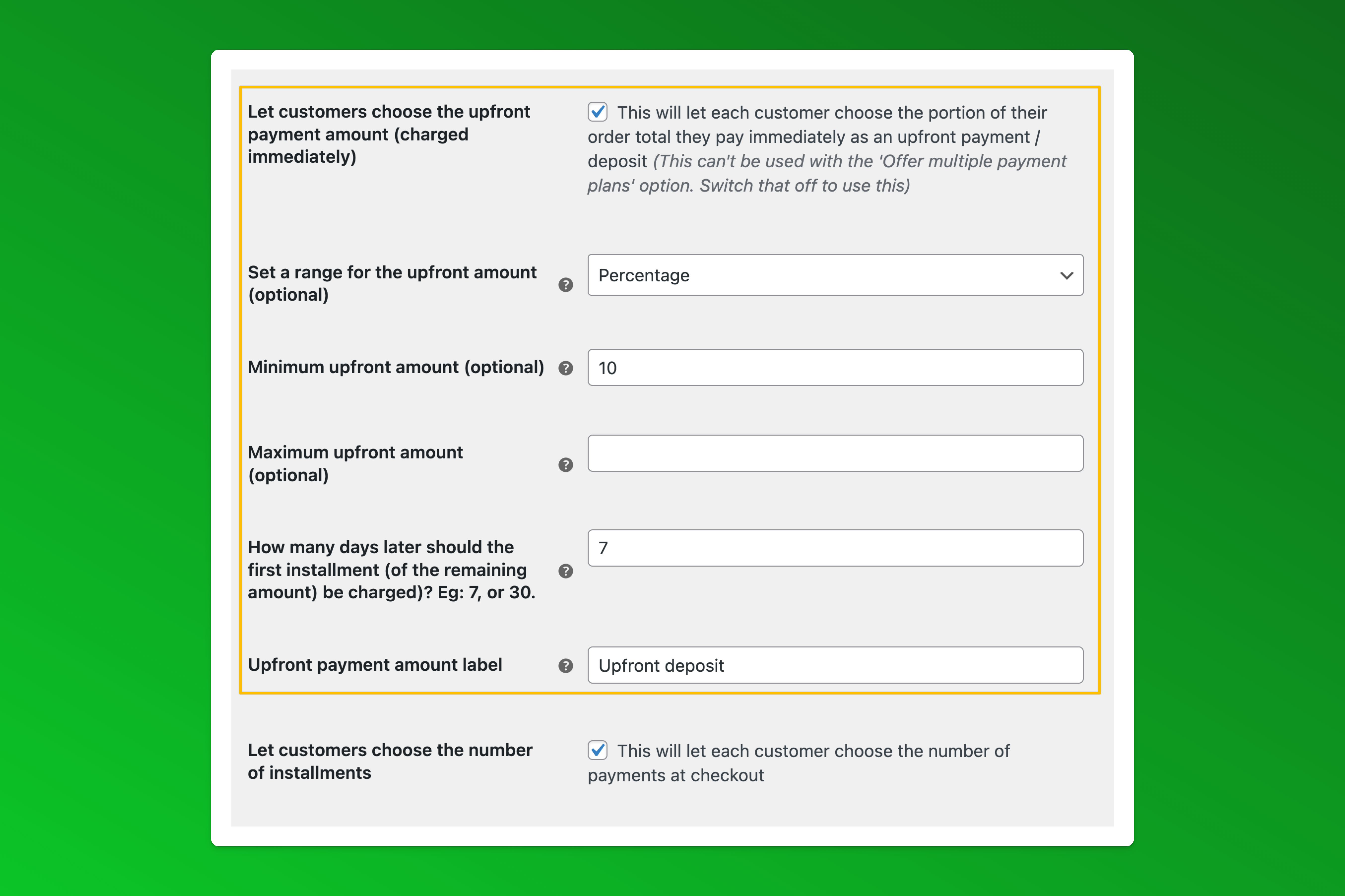
- You create a plan. Set the total, deposit, installment amount or count, and billing frequency (weekly, monthly, or custom dates). Some tools let each customer choose their own schedule within limits you set.
- You share it. Customers reach the plan through a shareable payment link, your checkout, or an embedded form. The better tools work across your website, ecommerce store, and third-party forms.
- The customer signs up and pays the first installment. Their card is securely stored for future payments.
- The software collects automatically. Each installment is charged on schedule, with reminder emails beforehand and automatic retries and follow-ups if a payment fails.
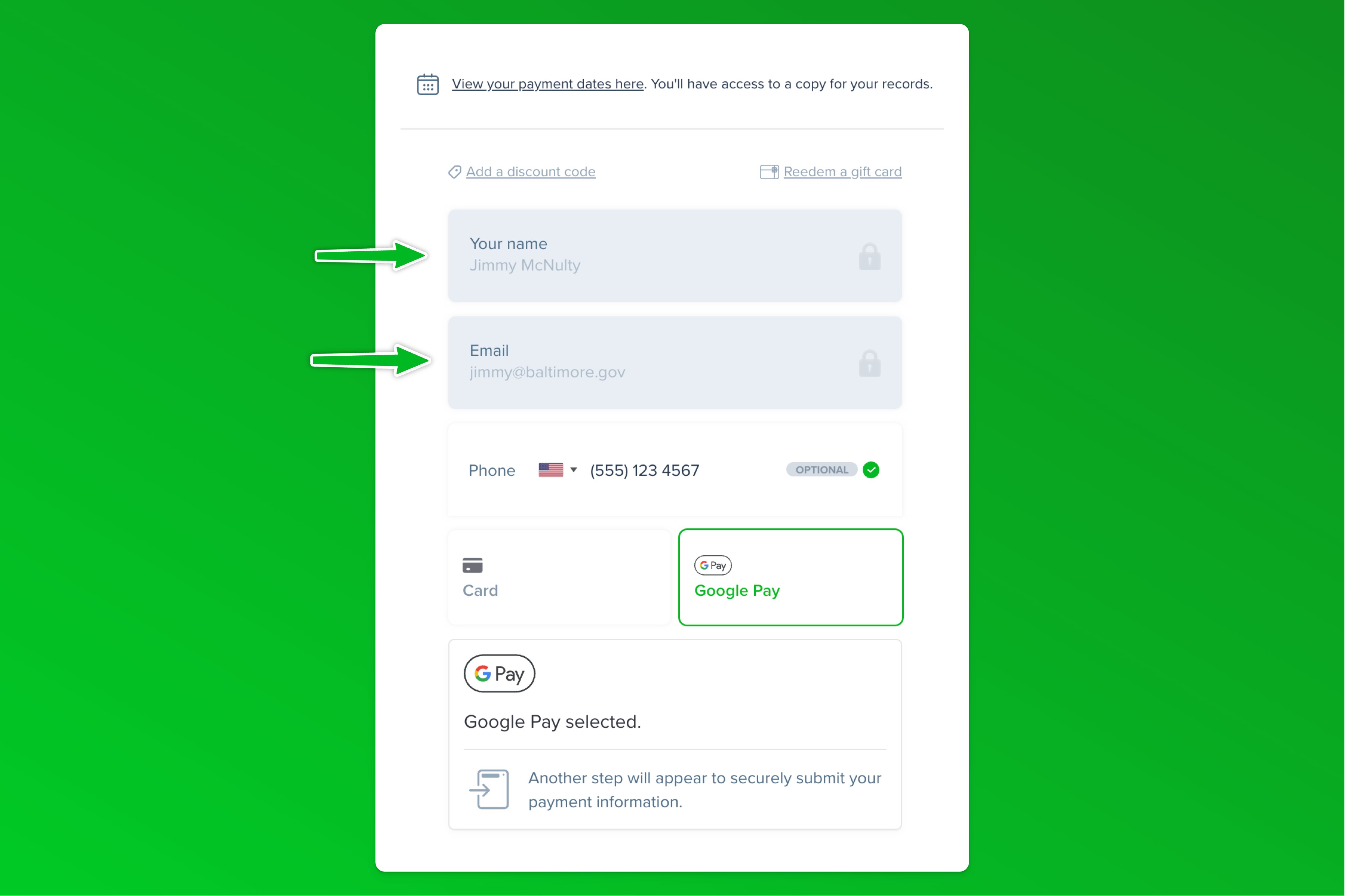
- The customer self-serves. Good software gives customers a secure page to see what they’ve paid, what they owe, update their card, pay early, and download receipts – without emailing you.
The value of the software is mostly in steps 4 and 5. Anyone can send an invoice; the hard parts are collecting reliably over months, minimizing failed payments, and doing it without manual admin.
What to look for when choosing a tool
Not all “payment plan” tools are built for running plans in-house. A few things separate the ones that save you time from the ones that create it:
Flexible plan types
Look for more than fixed monthly installments – weekly and custom intervals, date-based plans where everyone pays on set dates (useful for events and travel), layaway-style plans, deposit-plus-installments, and options that let the customer choose their own schedule within your rules. See some examples of different types of plans here.
Automated retries and reminders
Reminders, automatic retries, and failed-payment follow-ups are what actually keep your default rate low. This is the feature that pays for itself.
Customer self-serve pages
If customers can update cards and see their balance and receipts themselves, your support load stays flat as you grow. Good tools will make it easy for customers to repay early and even more, all without requiring manual support.
Works where you sell
Shareable links, checkout integration, and connections to WooCommerce, Shopify, and form tools mean you’re not locked into one channel. You want a tool that can adapt and move with you as your business evolves and changes.
Transparent, usage-based pricing
A percentage-per-transaction model with no fixed monthly fee means you only pay when you actually collect. Watch for platforms that charge monthly regardless of volume – they’re less aligned with your success.
Built on trusted payment rails
Tools (like Paythen) that run on Stripe inherit its security and PCI compliance, and let you keep payouts flowing to your own account. Stripe powers almost 2% of the world’s GDP so you’re in excellent hands.
No lending overhead
If the tool markets itself as financing or lending software, it’s likely heavier than you need – and may pull you into credit-check and compliance workflows that in-house plans are meant to avoid.
Common use cases
In-house payment plans fit almost any business selling something big enough that customers appreciate spreading the cost:
- Course creators and educators – split tuition across the length of a program. (See payment plans for educators.)
- Events and travel – date-based plans where everyone is paid up before the event or departure.
- Coaches and consultants – package fees paid over the engagement.
- High-value goods – jewellery, machinery, and equipment, sold via layaway or installments.
- Dental, clinics, and services – in-house plans for treatment, without a third-party financing partner.
Is an in-house payment plan a loan?
Usually not. When you spread a purchase over a few interest-free installments and collect them yourself, you’re offering a payment plan, not extending credit. There’s no interest, no credit application, and no lender. That’s a meaningful distinction, because it keeps you clear of most lending regulation and lets you set the whole thing up in minutes rather than months.
How to get started
You don’t need a developer or a lending license to offer payment plans in-house. With a tool like Paythen, you connect your Stripe account, create a plan with the deposit and schedule you want, and share the link – anywhere you do business. If you do business through an eCommerce site or any other workflow, that’s just a few minutes of setup too. Reminders, retries, and self-serve pages are handled for you, and you only pay a small percentage when a customer actually pays. We only make money when you do.
See how Paythen’s payment plans work, browse live examples, or start your free 7-day trial. If you need a hand setting up, just reach out via the chat icon and we’ll help you get running.